UP TO THE MINUTE







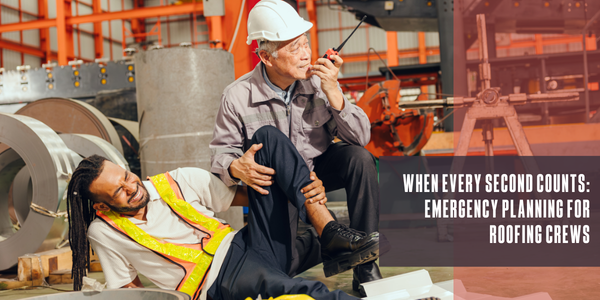
When every second counts: Emergency planning for roofing crews
By Cotney Consulting Group.
Emergencies will always be unpredictable — but how your crew responds doesn’t have to be.
Roofing is one of the most unpredictable jobs in construction. Crews work high above the ground, exposed to heat, wind, tools, power and weather, which leaves no room for hesitation when things go wrong. Emergencies on a roof can happen instantly: a fall, a fire, a sudden medical crisis or a fast-moving storm.
That’s why emergency planning isn’t optional; it’s a lifeline. The minutes and even seconds following an incident determine outcomes. When crew members know exactly what to do, where to go and who’s in charge, they can prevent chaos, save lives and protect everyone involved.
Have a written emergency plan
Every roofing company should have a written emergency action plan (EAP). This document should be simple, practical and job-specific. Posting a generic plan in the office is not enough; each site has its own hazards, access points and crew size.
At a minimum, every EAP should outline:
- How to report an emergency (radio, phone or designated signal)
- Who contacts emergency services
- Evacuation routes and safe assembly areas
- Locations of first-aid kits, eyewash stations and fire extinguishers
- Emergency contacts and nearest hospital information
Every crew member, from new hires to seasoned supervisors, should know the plan by heart. Review it at the start of every project and reinforce it through quick toolbox talks.
Train everyone, not just leaders
An emergency doesn’t wait for a supervisor. If your only trained responder is on the other side of the roof, you’ve already lost valuable time. Everyone on your crew should know the basics: how to call for help, give a precise location and what immediate steps to take until responders arrive.
Train all workers on:
- First-aid and CPR fundamentals
- Fall rescue awareness (recognizing suspension trauma)
- Fire response and extinguisher use (PASS method)
- Evacuation procedures for weather or structural instability
Refresher training should occur more than once a year, ideally before peak roofing season. A real safety culture is built on repetition and shared responsibility.
Designate and equip an emergency response leader
While everyone needs general knowledge, each site should have a designated emergency coordinator or crew leader. This person is responsible for directing actions during a crisis, such as calling 911, ensuring everyone is accounted for and communicating with responders.
They should also know the nearest cross streets, building access points and roof entry ladders — information that first responders will ask for immediately. The faster they can reach the injured person, the better the outcome.
Plan for the most likely roofing emergencies
While anything can happen on a roof, specific emergencies are far more common in our work. Planning for those makes your team ready for almost anything.
1 - Falls and injuries
Falls remain the top cause of fatalities in roofing. Every crew member should know how to react if a fall occurs — never rush in without assessing hazards or unhooking a harness improperly. Stop work immediately, secure the area and notify emergency services.
If a worker is suspended in a harness, act fast. Suspension trauma can become fatal in minutes. Keep communication with the victim while rescue gear is prepared or until professional help arrives.
2 - Fires
Torches, generators and adhesives all introduce ignition risks. Train workers to recognize fire hazards before they start and to react instantly when they occur. Everyone should know the location of fire extinguishers and how to use them. Always work in pairs during hot work and have a fire watch period after torching is done.
3 - Weather emergencies
Lightning and high winds are serious roofing threats. Establish clear wind-speed limits for stopping work and procedures for moving to shelter. Keep weather alerts active on at least one truck or job trailer device. Don’t rely on visual cues — storms move faster than most crews can react.
4 - Medical emergencies
Heat stroke, dehydration or cardiac events can happen to anyone on the crew. If a worker becomes unresponsive, call 911 first, then begin CPR if trained. Keep a first-aid kit stocked with electrolyte packets, burn gel and trauma dressings — not just bandages.
Communication is everything
During an emergency, communication can save the day or worsen a bad situation. Use clear, simple language and confirm that messages are received. Instead of shouting general phrases like “Help!” or “Call someone!”, be specific:
“Man down on the west side near the access ladder — call 911 now!”
Equip supervisors and key personnel with radios or phones that work reliably in noisy environments. Test them at the start of each day.
After the incident
Your work isn't over once the emergency has been handled and everyone is safe. Conduct a debrief as soon as possible. Ask:
- What happened?
- What worked?
- What didn’t?
- What needs to change before the next job?
Document the incident and use it as a learning opportunity. The best companies don’t hide accidents — they learn from them to prevent the next one. Also, don’t forget to care for your people afterward. Even workers who weren’t injured can be shaken up. A quick check-in from leadership shows support and reinforces the value of safety culture.
The roof is no place for guesswork
Emergencies will always be unpredictable — but how your crew responds doesn’t have to be. A well-trained, well-prepared roofing team reacts quickly, stays calm and makes smart decisions when it matters most.
Don’t wait until something goes wrong to figure out what to do. Take time now to train, plan and practice. Because when every second counts, preparation is the difference between panic and protection — and that difference could save a life.
Learn more about Cotney Consulting Group in their Coffee Shop Directory or visit www.cotneyconsulting.com.
Recommended For You
Extension cord safety for roofers
Read More ...
Innovative Products Promoting Safety on the Jobsite
Read More ...
Must-Read Summer Roofing Safety Tips to Beat the Heat
Read More ...
UP TO THE MINUTE


Comments
Leave a Reply
Have an account? Login to leave a comment!
Sign In