



Prevent ponding water with proper roof design
By The Coffee Shops™.
Polyglass highlights how proper slope, membrane installation and maintenance can help support effective water management.
In the article "Optimizing Drainage: Solutions for Ponding Water on Flat Roofs," Polyglass examines one of the most persistent challenges facing low-slope roofing systems: standing water that remains on a roof surface long after the storm. While often associated with aging roofs, ponding water is frequently the result of design, drainage or installation issues that begin long before a roof reaches the end of its service life.
The article explains that ponding occurs when water remains on a roof for 48 to 72 hours or longer because it cannot properly drain. Over time, standing water can accelerate deterioration of roofing materials, contribute to membrane degradation and increase the likelihood of leaks. It can also trap debris, promote algae growth and add significant weight to the roof structure.
According to Polyglass, one of the most common causes of ponding is an inadequate roof slope. Although low-slope roofs appear flat, they require sufficient pitch to direct water toward drains, scuppers or gutters. Tapered insulation systems are often used to create positive drainage, but improper design or installation can leave areas where water collects.
The article also highlights several additional factors that contribute to standing water, including insufficient drainage points, structural deflection and the absence of crickets behind rooftop equipment or penetrations. These conditions can create low spots where water becomes trapped, increasing stress on both the roof assembly and building structure.
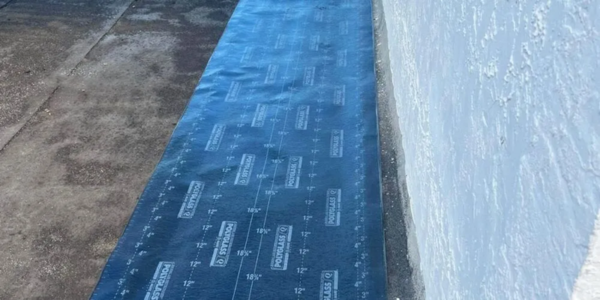
To help address drainage challenges, Polyglass points to solutions such as tapered insulation systems and PolySlopeTM, a fiber-reinforced skim mortar designed to create positive slope in localized ponding areas without requiring extensive structural modifications. The company also emphasizes the importance of proper membrane installation, noting that fully adhered systems can help reduce vulnerabilities at seams where moisture intrusion often begins.
Learn more about Polyglass in their Coffee Shop Directory or visit www.polyglass.us.
Recommended For You

More than materials
Read More ...
Hurricane-proof your roof: Titebond® Metal Roof and Ultimate MP sealants earn Miami-Dade County approval
Read More ...
Do More With TAMKO’s Shingle Styles Visualizer
Read More ...
UP TO THE MINUTE






Comments
Leave a Reply
Have an account? Login to leave a comment!
Sign In