
The material with built-in fire protection

By Dani Sheehan.
See why high-performing, gypsum-based roof boards are the best barrier for passive fire protection and extending the life of a roof (and building).
June is National Safety Month which raises awareness to help prevent injury, illness and death within the workplace and anyplace. Ensuring the built environment in which we live and work each day is protected against extreme weather events, fire or other accidents is an incredibly important part of construction.
When we think about fire protection in a building, we think about the fire alarm system, the sprinklers or the fire extinguishers. However, these are better known as active fire protection to actively suppress a fire once started. Within the building envelope, there are also passive fire protection measures that can be applied to ensure a building is more fire resistant overall.
Passive fire protection works to protect occupants in emergency situations, separate hazards into sections of the building, protect the building system and keep fire and smoke from spreading. It helps to buy time for evacuation and allows first responders to effectively manage the emergency before beginning suppressing operations or conducting rescues. USG Securock® Brand offers fire-rated gypsum roof boards that are one of the best barriers for passive fire protection. The principal raw material used to manufacture it is CaSO4-2H2O (gypsum). The water at the end of the formula shows that gypsum contains about 20% water by weight. This means that when gypsum panel products are exposed to fire, they convert to steam rather than catching flame. The water also helps combat the spread of the fire. As heat is converted to steam on one side, the opposite side of the panel stays cool because the heat energy is not transferred and stops the fire from gaining momentum.
The use of gypsum board in buildings has been used as fire protection as far back as the 1600s in France. After the Great Fire of London, King Louis XIV of France wanted to help protect Paris from the same potential problem. Gypsum plaster is now known as Plaster of Paris as the practice took off throughout Europe to protect cities from dangerous fires. Help raise awareness and keep everyone safe during and after National Safety Month by learning more about how gypsum-based roof boards improve a building’s fire protection.
Understand the difference between active and passive fire protection, and see how USG Securock® Brand can help extend the life of your next roofing project.
Learn more about the USG Securock® Brand Roof Board portfolio in its Coffee Shop Directory or visit www.usg.com/roofcoverboard.
About the author
Dani is a writer for The Coffee Shops. When she's not writing or researching, she's exploring new hiking trails or teaching yoga classes.
Recommended For You
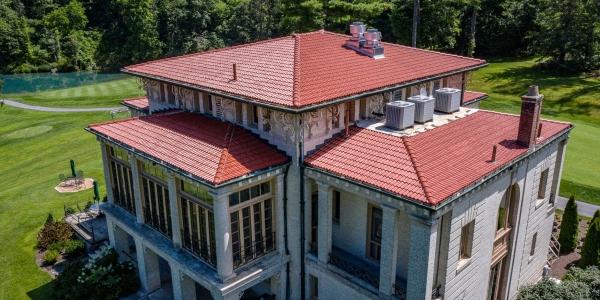
The essential guide to residential roof penetrations
Read More ...
The Cascade shingle is taking roofing to new heights
Read More ...
StealthBond® Adhesive Metal Roofing Installation System Earns Miami-Dade NOA Approval
Read More ...
UP TO THE MINUTE




Comments
Leave a Reply
Have an account? Login to leave a comment!
Sign In