UP TO THE MINUTE





How to reduce metal roof sounds

By The Coffee Shops™.
Drexel Metals outlines practical approaches to addressing one of the most common questions about metal roofing.
In the article, "Potential metal roofing issues and how to minimize their impact: Popping noises," Drexel Metals examines one of the most commonly discussed characteristics of metal roofing systems: thermal movement and the occasional popping or creaking noises that can result from it. While these sounds can catch building owners by surprise, the company emphasizes that they are a natural byproduct of metal expansion and contraction and do not indicate a structural problem.
As metal roofing continues to gain popularity for its durability, weather resistance and long service life, understanding how roofing systems respond to temperature changes remains an important part of project planning. According to Drexel Metals, metal panels naturally expand when heated and contract when cooled. Daily temperature fluctuations, as well as seasonal weather changes, cause this movement to occur throughout the life of the roof.
The amount of movement varies based on factors such as panel length and metal type. Longer panels and certain metals may experience more noticeable expansion and contraction, particularly during periods of rapid temperature change. These adjustments can sometimes produce popping noises as the roofing system settles and adapts to environmental conditions.
To help minimize the impact of thermal movement, Drexel Metals recommends incorporating design and installation practices that allow panels to move freely. Floating clip systems and slip joints can accommodate expansion and contraction while reducing stress on fasteners and roof components. The company notes that restricting panel movement by rigidly fastening long panels can increase stress, noise and the potential for deformation over time.
Learn more about Drexel Metals in their Coffee Shop Directory or visit www.drexmet.com.
Recommended For You
DaVinci shakes up the UK roofing market
Read More ...
Protect your business and your client’s property
Read More ...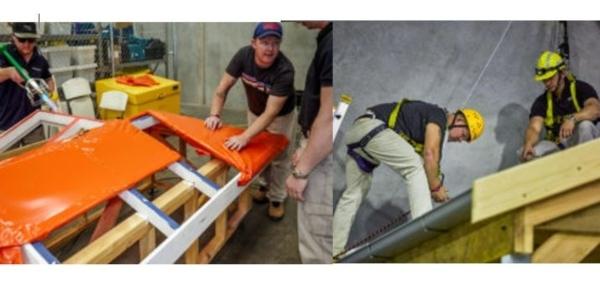
Stormseal Announces New Training Centers in Raleigh, North Carolina and Mukwonago, Wisconsin
Read More ...
UP TO THE MINUTE



Comments
Leave a Reply
Have an account? Login to leave a comment!
Sign In