




Nail your next asphalt job with the right pattern

By Lori Jerome, PABCO Roofing Products.
Learn what a nailing pattern is and why it matters for asphalt shingle performance.
On the surface, a nailing pattern for shingles is exactly what it sounds like – a pattern to follow for attaching a shingle to the roof using nails. Diving deeper into this subject, nailing patterns include key installation information such as quantity, placement, spacing, fastener type and penetration depth. Why is this all so specific?
Nailing patterns are not just thrown together. For example, the team here at PABCO Roofing Products carefully engineers our nailing patterns based on performance testing, ensuring that when contractors follow the nailing pattern and any additional manufacturer’s instructions, the shingle will perform optimally. If the nailing pattern is not followed, maybe the installer nails too high or outside the recommended zone, the shingle will be vulnerable to issues like wind uplifts and moisture buildup.
Parts of the pattern
There are many parts of a nailing pattern, all working together to ensure shingles perform to their rated wind resistance, shed water properly and remain eligible for warranty coverage. One section is the nail line. This marks the area where the shingle is engineered to be fastened, typically near the laminated portion of the shingle, where holding power is maximized.
- High nailing places fasteners above the reinforced area, reducing wind resistance and increasing the potential for water ponding.
- Low nailing can expose nail heads, interfere with sealing and lead to visible nails from the ground.
- Missed zones can compromise uplift resistance and can void warranty coverage.
Another part of the nailing pattern to understand is nail placement. This is more important than ever with the increase of storm intensity around the world as wind uplift ratings are only valid when shingles are installed exactly as tested – exactly as outlined in the nailing pattern.
For example, PABCO shingles offer wind ratings between 110 miles per hour and 130 miles per hour depending on the product and whether proper installation methods were adhered to.
Even when nails are placed correctly, how they’re driven also matters.
- Angled nails can damage both the shingle being fastened and the shingle above it
- Overdriven nails cut into the shingle, reducing holding power
- Underdriven nails interfere with sealing and can lead to uplift
PABCO installation requirements also specify the fastener itself, including:
- Galvanized roofing nails
- Minimum head diameter and proper gauge
- Minimum length
- Penetration of at least ¾ inch into the roof deck
These requirements ensure the fastener lasts for the life of the shingle. Non-galvanized or undersized nails can corrode, stain the roof, lose holding power or fail prematurely even when placement is otherwise correct.
Protected performance
Beyond ensuring that high-performance standards are met, nailing patterns are key to maintaining roof warranties. Warranties are based on the tests that a manufacturer conducts in the lab within defined installation parameters (such as nailing patterns, zones and specifications).
At PABCO, we believe clear instructions, thorough testing and transparent documentation help contractors deliver roofs that perform as expected, job after job. And we confidently stand behind our products and the contractors who install them correctly.
Original article and photo source: PABCO Products
Learn more about PABCO Roofing Products in their Coffee Shop Directory or visit www.pabcoroofing.com.
Recommended For You

Give Your Business and Crews a Gift of Pride this Christmas with SLATOR’s Personalized Petzl Helmets w/ VIZIR attachment.
Read More ...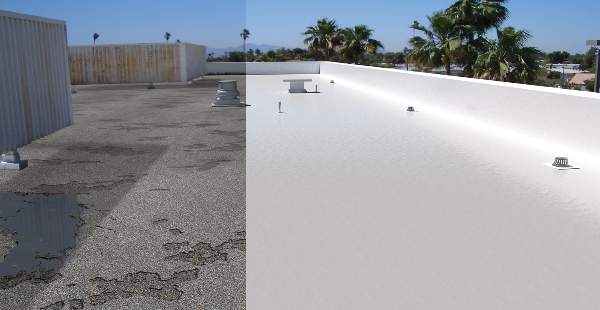
Tremco Roofing Introduces AlphaGrade™ Restoration System for Gravel-surfaced Roofs
Read More ...
Georgian style meets modern exterior performance
Read More ...
UP TO THE MINUTE





Comments
Leave a Reply
Have an account? Login to leave a comment!
Sign In