





Addressing vent extension design challenges and myths

By Jesse Sanchez.
Long-term field performance is reshaping how the industry views vent extensions and plumbing airflow.
TUBOS Inc. has spent two decades refining the design of a roofing component aimed at addressing a common commercial project concern. The product, a plumbing vent pipe extension, is designed to meet code requirements while protecting roof penetrations from water intrusion. With its long performance history, the product continues to generate productive industry discussion around airflow performance within plumbing systems.
Founded to solve leak risks at vent terminations, TUBOS has recorded zero warranty claims or leak failures across their seventeen years of service. Co-founder and CEO Kevin Morris attributes that consistency to design decisions made through field observations rather than theory. Kevin said those early field observations directly shaped the insert’s dimensions. “The red insert was .185 inches thick. After much testing, we decided to go with .150 inches to increase the opening even more.”
From time to time, questions arise about whether any internal sleeve could influence vent performance. Kevin noted that those concerns are typically raised during specification reviews rather than by contractors in the field. He points to plumbing fundamentals that govern vent stacks regardless of accessories. Their role is to balance pressure, protect drain traps and allow sewer gases to exit buildings without mechanical assistance. Because no powered elements drive that process, minor dimensional adjustments do not dictate system behavior.
To illustrate the scale involved, the extension flange measures a quarter inch thick. Kevin notes the industry has long accepted lead boots that constrict pipe openings more aggressively without raising alarms. Kevin stated, “In nearly two decades in the market, we have never seen any evidence that our products negatively impact the performance of the plumbing system.”
Beyond airflow debates, the insert serves a role by channeling water into the pipe. The design functions like a downspout, reducing the chance of moisture migrating into the roofing assembly. Compliance also drives adoption, as codes require vent extensions to rise above roof surfaces, particularly in snowy regions. Over time, real-world performance has become the standard by which these products are judged across commercial roofing markets.
Learn more about TUBOS in their Coffee Shop directory or visit tubos.biz.
Get your first TUBOS for less and see the quality for yourself.
About the author

Jesse is a writer for The Coffee Shops. When he is not writing and learning about the roofing industry, he can be found powerlifting, playing saxophone or reading a good book.
Recommended For You

Owens Corning Roofing Expands Availability of TruDefinition® Duration FLEX® and Duration STORM® Shingles
Read More ...
RCANS builds on a legacy of roofing professionalism
Read More ...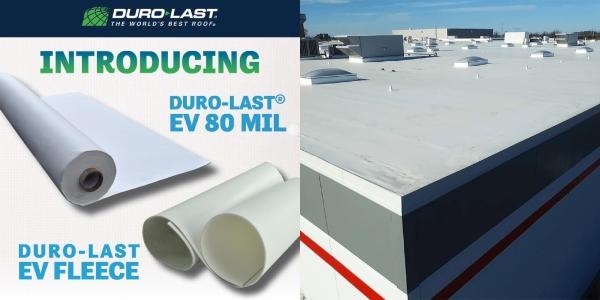
Duro-Last® Expands Roofing Solutions with Duro-Last EV 80 Mil and Duro-Last EV Fleece Membranes
Read More ...
UP TO THE MINUTE






Comments
Leave a Reply
Have an account? Login to leave a comment!
Sign In